What Is Hantavirus?
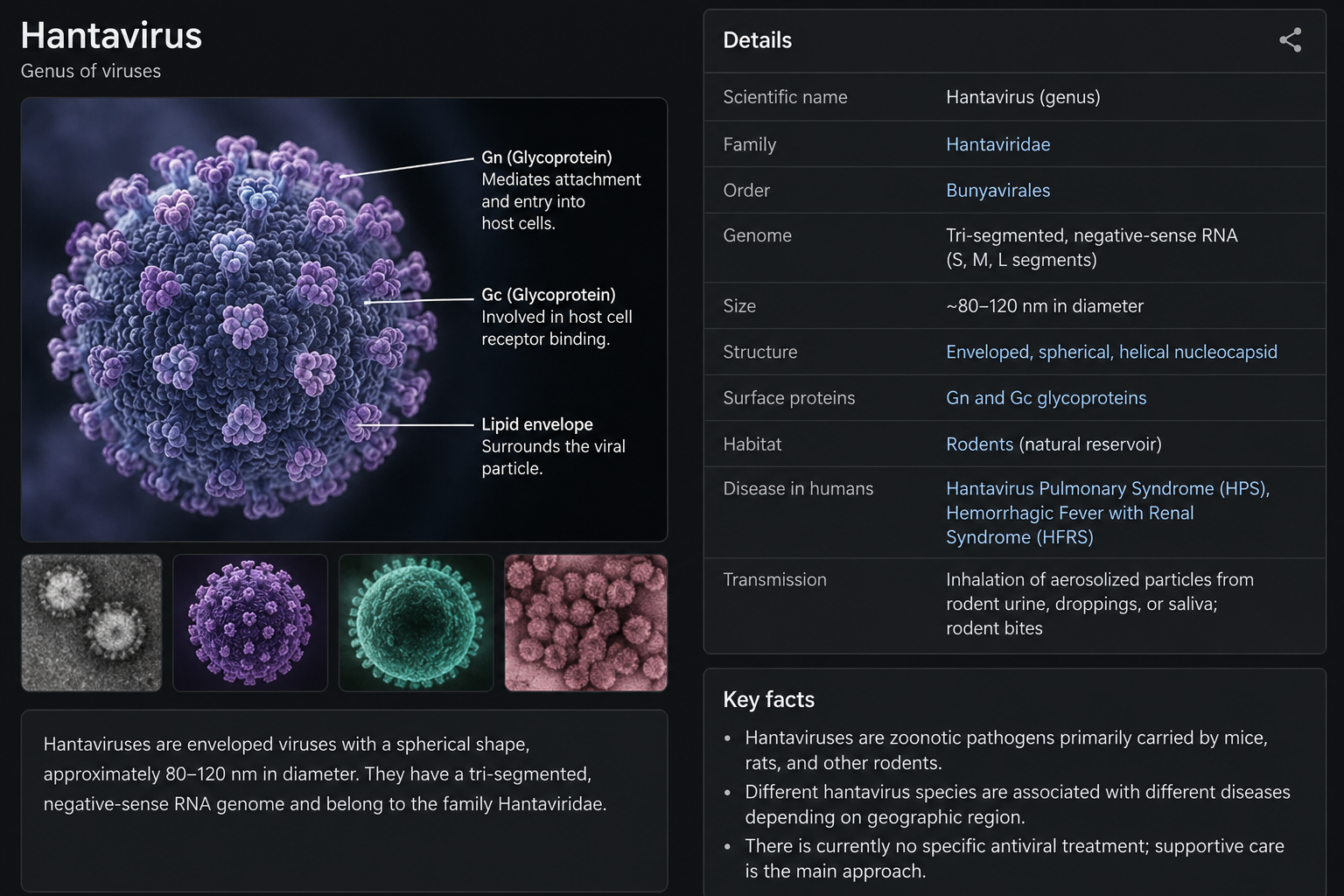
Hantavirus refers to a group of viruses mainly carried by rodents. Humans can become infected through contact with infected rodents, their urine, droppings, saliva, or contaminated dust particles in the air.
The disease can lead to serious illnesses, including:
- Hantavirus Pulmonary Syndrome (HPS) — more common in the Americas
- Hemorrhagic Fever with Renal Syndrome (HFRS) — more common in Europe and Asia
Hantavirus infections are considered dangerous because they can rapidly affect the lungs, kidneys, and circulatory system.
Hantavirus – novicearea
Analysis of Hantavirus
- WHO Can Be Affected?
Anyone exposed to infected rodents or contaminated environments can become infected. However, the following groups are at higher risk:
- Farmers
- Campers and hikers
- Warehouse workers
- Construction workers
- Rural residents
- Laboratory researchers handling rodents
The virus does not usually spread from person to person, although rare exceptions have been reported with certain strains in South America.
- WHAT Causes Hantavirus Infection?
Hantavirus infection is caused by viruses from the Hantaviridae family. Different rodent species carry different hantavirus strains.
Common rodent carriers include:
- Deer mice
- Cotton rats
- Rice rats
- White-footed mice
Humans become infected when they:
- Inhale contaminated airborne particles
- Touch contaminated surfaces then touch their mouth or nose
- Are bitten by infected rodents
- Handle rodent nests or waste without protection
- WHEN Was Hantavirus First Identified?
Hantavirus became internationally recognized during the Korean War (1950–1953) when thousands of soldiers developed severe fever and kidney problems.
A major outbreak in the United States occurred in 1993 in the “Four Corners” region, leading to the identification of Hantavirus Pulmonary Syndrome (HPS).
Since then, sporadic cases have appeared in many countries around the world.
- WHERE Is Hantavirus Found?
Hantavirus exists worldwide, especially in areas with large rodent populations.
Regions with Reported Cases:
- North America
- South America
- Europe
- China
- Korea
- Russia
Rural and forested environments are generally higher-risk areas.
- WHY Is Hantavirus Dangerous?
Hantavirus is dangerous because symptoms can worsen very quickly.
Early Symptoms:
- Fever
- Fatigue
- Muscle aches
- Headache
- Dizziness
- Nausea
Severe Symptoms:
- Shortness of breath
- Lung fluid buildup
- Low blood pressure
- Kidney failure
- Internal bleeding
In severe HPS cases, breathing difficulties can become life-threatening within hours.
The mortality rate for HPS can reach approximately 30–40% if not treated quickly.
- HOW Does Hantavirus Spread?
The virus spreads mainly through exposure to infected rodent materials.
Common Transmission Methods:
- Breathing contaminated dust
- Cleaning rodent-infested buildings
- Touching contaminated food or surfaces
- Rodent bites
Activities That Increase Risk:
- Sweeping dusty cabins
- Cleaning barns or warehouses
- Sleeping in rodent-infested areas
- Handling firewood or garbage
Symptoms Timeline
| Stage | Symptoms |
| Early Stage | Fever, fatigue, muscle pain |
| Intermediate Stage | Headache, nausea, abdominal pain |
| Severe Stage | Breathing difficulty, coughing, low oxygen |
| Critical Stage | Respiratory failure or kidney complications |
Symptoms usually appear 1–8 weeks after exposure.
Diagnosis and Treatment
Diagnosis
Doctors may use:
- Blood tests
- Chest X-rays
- Oxygen level monitoring
- Exposure history evaluation
Treatment
There is currently no specific antiviral cure for most hantavirus infections.
Treatment focuses on:
- Oxygen therapy
- Intensive care support
- Fluid management
- Mechanical ventilation in severe cases
Early hospitalization greatly improves survival chances.
Prevention Tips
The best prevention is avoiding contact with rodents and contaminated areas.
Recommended Safety Measures:
- Seal holes in houses and storage buildings
- Store food properly
- Use gloves and masks when cleaning dusty areas
- Avoid sweeping dry rodent droppings directly
- Spray disinfectant before cleaning
- Keep living areas clean
Conclusion
Hantavirus is a serious rodent-borne viral infection that can cause severe lung or kidney disease in humans. Understanding the informations helps people recognize risks, identify symptoms early, and take proper preventive measures.
Public awareness, sanitation, and safe cleaning practices remain the most effective defenses against hantavirus infection.